

Is It Allergies or Chronic Dry Eye? How Raleigh Optometrists Tell the Difference
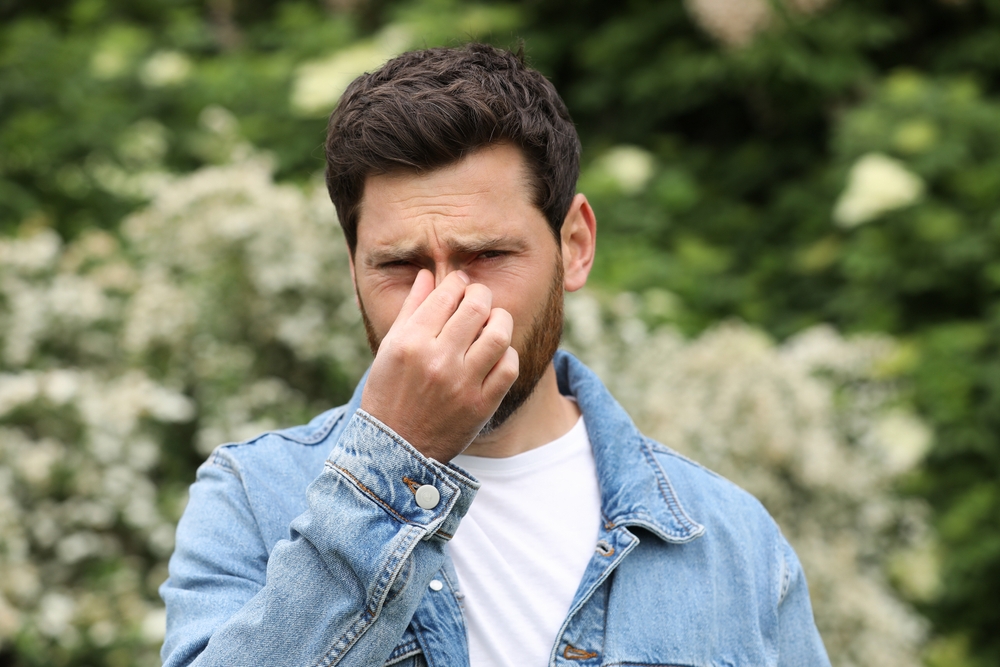
Red, watery, irritated eyes are often blamed on seasonal allergies. However, persistent discomfort may indicate chronic dry eye instead. Because these conditions share several symptoms and can occur at the same time, an evaluation from a Raleigh optometrist is often the best way to identify the underlying problem.
Similar Symptoms Can Make Diagnosis Difficult
Eye allergies and chronic dry eye can both cause redness, watering, burning, and sensitivity to light. Some people also experience a gritty sensation or feel as though something is stuck beneath their eyelids.
Although itching is commonly associated with eye allergies, symptoms alone may not provide a definite answer. Allergic conjunctivitis and dry eye frequently overlap, which means patients may require care for both conditions.
Signs That May Point to Eye Allergies
Eye allergies occur when the immune system reacts to substances such as pollen, mold, dust, or pet dander. Raleigh’s changing seasons and outdoor allergens can make symptoms more noticeable at certain times of the year.
Common signs of eye allergies include:
• Intense itching that creates an urge to rub the eyes
• Redness and excessive watering in both eyes
• Puffy or swollen eyelids
• Symptoms that worsen around specific allergens or during certain seasons
Eye allergies may also occur alongside sneezing, congestion, or an itchy nose. However, frequent eye rubbing can further irritate the ocular surface and worsen existing dryness.
How Chronic Dry Eye May Feel Different
Chronic dry eye develops when the eyes do not produce enough tears or when tears evaporate too quickly. Patients often describe burning, stinging, fluctuating vision, eye fatigue, or a sandy sensation. Some people experience excessive watering because the eyes produce reflex tears in response to surface irritation.
Dry eye symptoms may become more noticeable after extended screen use, contact lens wear, driving, or spending time in air-conditioned rooms. Unlike seasonal allergies, chronic dry eye discomfort may continue throughout the year.
How Raleigh Optometrists Identify the Cause
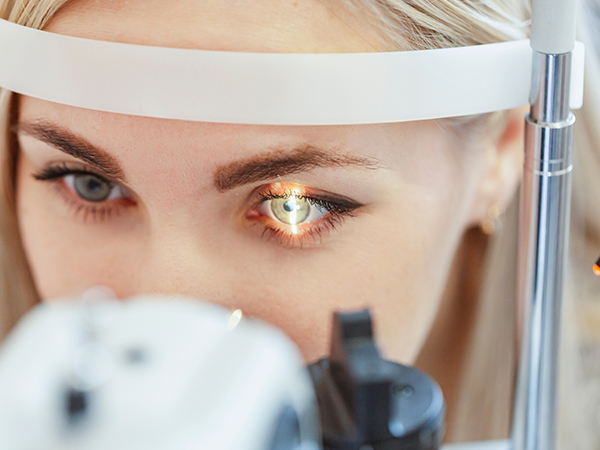
A dry eye diagnosis begins with a detailed discussion of symptoms, medications, health history, lifestyle, and environmental triggers. Our optometrist will also examine the eyelids, tear film, cornea, conjunctiva, and oil-producing meibomian glands.
Stonehenge Vision Source uses the OCULUS Keratograph to evaluate factors such as tear film breakup time, tear volume, lipid layer quality, and meibomian gland health. These findings can help determine whether symptoms are related to unstable tears, blocked glands, allergies, or a combination of conditions.
Accurate testing matters because allergy drops alone may not resolve chronic dry eye. Once the cause is understood, treatment can be personalized to reduce inflammation, improve tear quality, and provide longer-lasting relief.
Schedule a dry eye evaluation with Stonehenge Vision Source to find the source of your irritated eyes and receive care designed for lasting comfort. Contact our office in Raleigh, NC, or call (984) 342-3325 to book an appointment today.

MAP
© 2026 Stonehenge Vision Source. All Rights Reserved. Accessibility Statement - Privacy Policy - Sitemap
Powered by: 